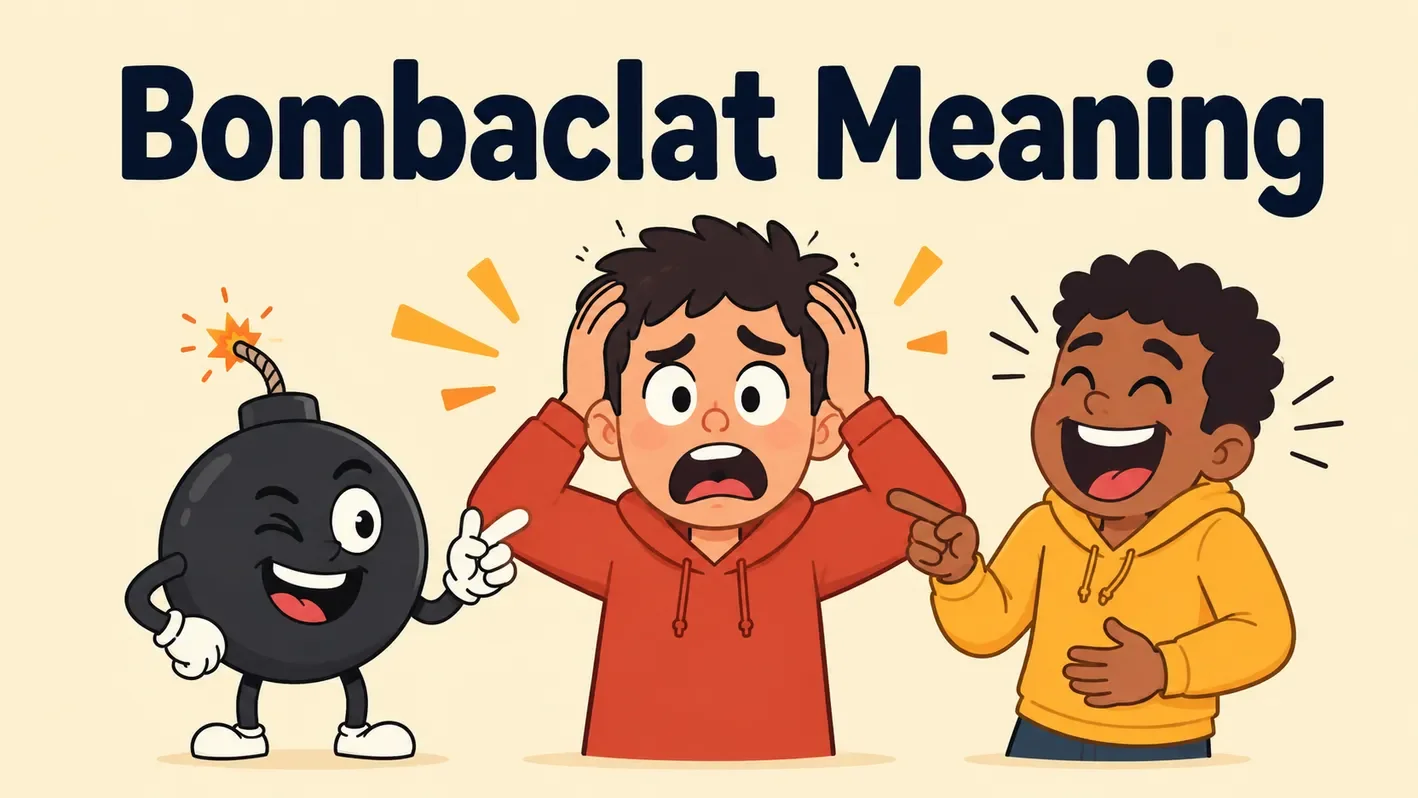
I still remember the first time I heard it in a crowded room. Music was loud, someone laughed, then that word dropped and the energy shifted. I did not know what it meant, but I felt it. I felt the history, the heat, the humor and the warning all at once. That is why understanding bombaclat meaning matters more than just learning a definition. You want to respect the culture, avoid an awkward mistake, and actually connect when you hear it in real life.
Related article: Baseball Jokes for Adults That Will Crack Up Your Whole Dugout
Why This Word Stays With You After You Hear It
You hear certain words once and they never leave you. This is one of them. It is loud even when whispered and it carries a feeling that translation alone cannot hold.
- You hear it once and your brain pauses trying to place it
- It carries rhythm history and raw emotion in one sound
- People remember bombaclat because it feels unfiltered and deeply human
- The sound alone sparks curiosity even before translation comes to you
- It sticks because it carries cultural weight beyond simple dictionary definitions
- You feel the energy behind bombaclat long after conversation ends
- It stands out in a world full of softened and filtered language
- Listeners sense pride pain and power wrapped inside one expression
- Bombaclat stays memorable because it refuses to sound neutral or empty
- It invites you to learn more about people who use it
- You cannot ignore bombaclat when someone says it with conviction
- The word feels alive with story street wisdom and ancestral echo
- It teaches you that language can hold both fire and love
- People lean in because bombaclat sounds like truth spoken out loud
- It lingers because it challenges you to understand deeper context
- You start noticing how often intention matters more than literal translation
Pro Insight Let the emotional aftertaste guide your curiosity and study how people feel when they hear it not just what they say.
The Cultural Roots That Give This Word Its Power
Every word carries a birthplace. This one was born in Kingston yards, in market banter, in family kitchens where truth was spoken plain. When you feel its weight, you are feeling generations speaking at once. That depth is why it deserves respect before repetition. [internal link to Jamaican Patois history]
- Jamaican Patois grew from resilience creativity and everyday survival in community
- Elders used bombaclat to express shock anger disbelief or fierce emphasis naturally
- It reflects a culture that values direct speech over polished empty politeness
- Understanding roots helps you hear bombaclat as history not just slang
- The word traveled through music dance and diaspora keeping its soul intact
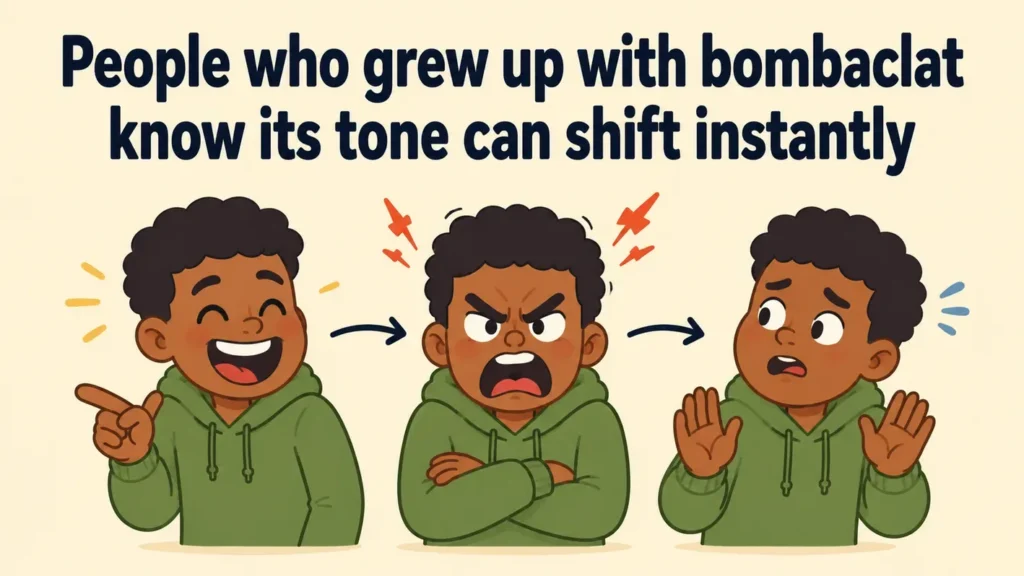
- People who grew up with bombaclat know its tone can shift instantly
- It is not random cursing it is contextual emotion shaped by lived experience
- When you honor origins you stop treating bombaclat like a meme
- Roots reveal why Jamaicans may laugh or flinch depending on delivery
- Language carries memory and bombaclat carries generations of spoken truth
- Knowing background builds empathy that simple translation can never provide
- You begin to hear pride resilience humor and boundary setting in one word
- Respect grows when you realize bombaclat is tied to identity not just expression
- It teaches outsiders that not every powerful word is meant for casual use
- Cultural roots give bombaclat its charge and its sacred limits
- You carry more care once you understand where a word truly comes from
Pro Insight Listen to native speakers in natural settings before forming opinions about tone or intent.
How Jamaicans Really Use This Expression In Daily Life
You will hear it at the bus stop when someone is stunned. You will hear it in the kitchen when dinner burns and laughter follows. Real use is less about aggression and more about real human reaction. That honesty is what makes it so memorable.
- Friends drop bombaclat when plans collapse and everyone still laughs together
- Parents may use bombaclat to show sudden surprise not always anger
- It can signal disbelief when a story sounds too wild to trust
- Young people sometimes say bombaclat for comedic timing among close friends
- Tone decides if bombaclat sounds playful serious or deeply offended
- You will notice bombaclat appears more in private talk than formal settings
- Jamaicans often soften bombaclat with laughter eye contact or familiar gestures
- It rarely stands alone it rides inside a longer emotional sentence
- People who know bombaclat well can hear intention before translation
- It is used to release pressure when words fail to capture feeling
- You hear bombaclat in music where artists want raw unfiltered honesty
- Community elders may correct you if bombaclat feels disrespectful in context
- It can be a warning that someone has reached their personal limit
- Friends understand bombaclat because they share history not just language
- It shows up when joy shock and disbelief collide in one moment
- Real life use proves bombaclat is emotional shorthand not empty insult
Pro Insight Pay attention to facial expression volume and relationship before interpreting what you heard.
The Emotional Layers Behind A Single Powerful Word
One word can hold a whole mood. That is what hits you first. You expect a simple insult and you get a wave of feeling that is complicated and alive.
- Bombaclat can carry humor even when the surface sounds harsh
- It can hide hurt behind a loud laugh that does not feel fake
- People use bombaclat when they feel exposed and need to push back
- The word often masks vulnerability that is easier to shout than share
- You feel bombaclat in your chest before you fully understand it
- It can sound like affection when said between people who trust each other
- Anger inside bombaclat often comes from feeling disrespected or unseen
- Joy can live inside bombaclat when surprise turns into celebration
- It holds both boundary and invitation depending on how it lands
- The emotional charge of bombaclat makes it impossible to ignore
- You learn that intensity is not always aggression sometimes it is passion
- It reflects a culture that does not hide feeling behind perfect politeness
- People remember how bombaclat felt more than what it literally meant
- It can be a release valve when keeping calm feels dishonest
- Hearing bombaclat teaches you to read energy not just vocabulary
- The layers remind you that language is lived not just learned
Pro Insight Track the emotion before the definition and you will understand people faster than any dictionary allows.
Why Context Changes Everything When You Hear It
Same word different room different feeling. I learned that context flips everything. If you only search bombaclat meaning without hearing real voices you miss the human part. Tone place relationship and timing all rewrite what it becomes. [internal link to understanding Patois context guide]
- A whispered bombaclat between friends can mean playful disbelief and love
- A shouted bombaclat in traffic can mean pure shock and raw alarm
- On stage an artist may use bombaclat to connect with crowd energy
- At home bombaclat can be a family joke that everyone understands instantly
- In an argument bombaclat can signal that respect has been crossed
- Online bombaclat often loses vocal tone and gets misunderstood quickly
- You must notice who is speaking and who is allowed to hear it
- Elders kids and peers all use bombaclat with different boundaries
- Music lyrics use bombaclat for rhythm emotion and cultural pride together
- When you ignore context you risk hearing insult where there was none
- People who live inside the culture read context without even thinking
- Outsiders need extra listening because they lack shared history and cues
- Context includes body language silence laughter and timing all together
- You learn more from watching reactions than from repeating the word
- A single bombaclat can shift from funny to serious in one breath
- Respecting context is how you move from curiosity to genuine understanding
Pro Insight Always ask yourself where you are who you are with and what just happened before you decide what you heard.
Common Misunderstandings That Lead To Awkward Moments
I have watched good people get it wrong with kind intentions. They heard it in a song and thought it was friendly for any setting. Then the room went quiet and they realized they missed something important.
- Many think bombaclat is just a funny sound to drop randomly
- Some believe bombaclat is harmless because it appears in memes online
- Others assume bombaclat translates cleanly to one English swear word
- People often miss that bombaclat can be deeply offensive in formal spaces
- Tourists sometimes use bombaclat to sound local and it feels forced
- You cannot learn bombaclat from subtitles alone without cultural listening
- It is not interchangeable with every English expression of surprise
- Some think saying bombaclat makes them sound more authentic instantly
- Misuse can make native speakers feel mocked even if you meant well
- You might hear laughter and assume bombaclat was welcome when it was not
- Many forget that age and gender shape how bombaclat is received
- Believing all Jamaicans use bombaclat constantly is a lazy stereotype
- Some hear bombaclat in dancehall and assume it is always aggressive
- You can damage trust quickly by using bombaclat to get a reaction
- Assuming intent equals impact is a common mistake with strong language
- Learning before speaking prevents moments you later wish you could undo
Pro Insight If you would not say it in front of someones grandmother avoid saying it until you truly understand.
How Social Media Changed The Way People Share It
Scrolling changes everything. A word that once lived in yards now lives on feeds. It travels faster than its story and that speed creates confusion and curiosity in equal measure. [internal link to Jamaican creators to follow]
- TikTok clips made bombaclat sound like a punchline without background
- Instagram captions use bombaclat to signal edge without explaining history
- YouTube reactions show bombaclat with no cultural translation or care
- Memes strip bombaclat of vocal tone that carries most of its meaning
- Viral sounds cause non speakers to repeat bombaclat without knowing weight
- Algorithms push shocking uses of bombaclat because they get more views
- Creators sometimes profit from bombaclat while ignoring its cultural roots
- Comment sections reveal how many people crave real explanation and respect
- Social media can also teach bombaclat with love when Jamaicans lead conversation
- You can find elders on platforms sharing bombaclat stories with humor and wisdom
- Good creators pause to explain why bombaclat matters beyond being funny
- Platforms reward speed but understanding bombaclat requires slowing down
- Duets and stitches often misplace bombaclat into unrelated comedic contexts
- You help culture when you share context not just the word itself
- Watching Jamaican creators is the best way to hear bombaclat used naturally
- Social media is a bridge when you cross it with listening not just copying
Pro Insight Follow Jamaican voices first and let them set the tone for how you learn and share.
The Difference Between Respectful Curiosity And Careless Use
Curiosity feels open. Carelessness feels entitled. People can feel the difference instantly. One invites teaching, the other invites distance.
- Respectful curiosity asks about bombaclat with humility and real listening
- Careless use drops bombaclat to shock friends without understanding impact
- Curiosity says I want to learn your language with care and respect
- Carelessness says I want to sound cool regardless of who is hurt
- You show respect when you ask when bombaclat is appropriate and when not
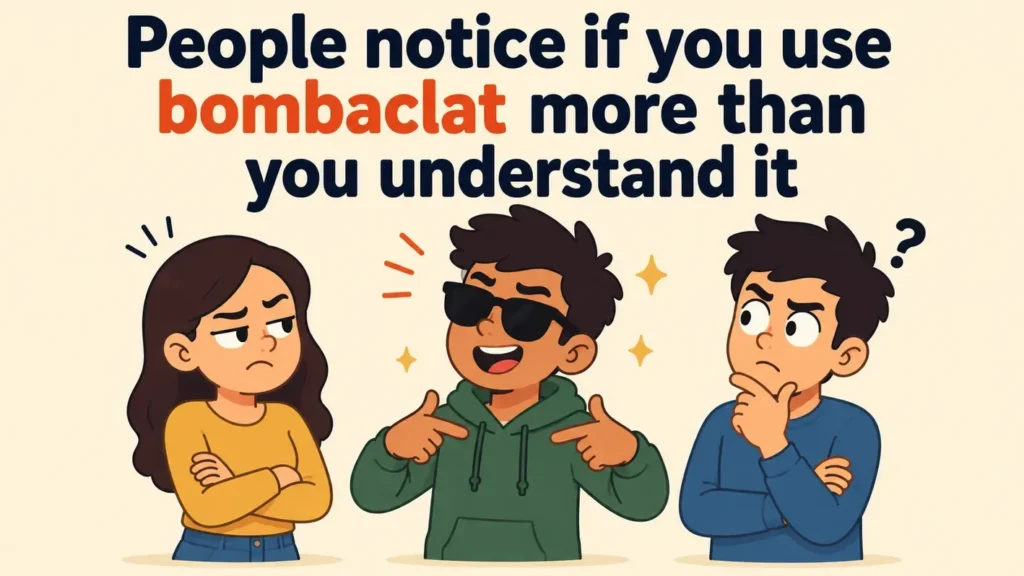
- People notice if you use bombaclat more than you understand it
- Respectful learners accept correction without defending their mistake
- Careless users repeat bombaclat even after being told it felt off
- Curiosity studies history while carelessness chases trends and laughs
- You build trust when you credit Jamaicans for the beauty of bombaclat
- Respect means not using bombaclat as a costume for personality online
- Careless use turns a lived expression into an empty internet joke
- Curious people read listen and reflect before they ever speak it aloud
- You honor language when you let native speakers remain the authority
- Respectful curiosity leaves people feeling seen not used or mocked
- The choice between care and carelessness shapes how you are remembered
Pro Insight If your use centers your image more than their culture pause and choose listening instead.
Learning To Listen Before You Try To Speak It
The best learners I know listened for months. They sat in conversations, they laughed, they asked quiet questions later. Speaking came much later and when it did it felt earned.
- Listening teaches you how bombaclat rises and falls with emotion
- You start to hear when bombaclat is soft hard playful or warning
- Observing real conversations shows you what textbooks cannot capture
- You learn that silence after bombaclat can matter more than the word
- People appreciate when you listen without rushing to imitate their speech
- Hearing bombaclat in stories helps you feel its rhythm and boundaries
- You notice how Jamaicans code switch depending on setting and company
- Listening builds intuition that protects you from accidental disrespect
- You begin to understand which relationships allow bombaclat and which do not
- It is wise to learn phrases of gratitude before trying strong expressions
- You will hear bombaclat used with humor that softens its intensity
- Paying attention to response tells you if bombaclat landed well or poorly
- Good listeners ask what would you say here instead of assuming
- You develop cultural ear that hears more than literal translation ever could
- Listening first shows maturity that people remember and respect deeply
- When you finally speak bombaclat if at all it carries thoughtful care
Pro Insight Spend ten hours listening for every one minute you plan to speak and your understanding will grow naturally.
Real Life Stories That Show What It Truly Communicates
Stories stay with us longer than definitions. I remember a taxi ride where the driver shouted it laughing after nearly missing a pothole. No anger, just pure relief and joy exploding out. [internal link to real Jamaican life stories]
- A mother laughed bombaclat when her son finally learned to ride bicycle
- Friends shouted bombaclat when surprise birthday party was revealed perfectly
- A student whispered bombaclat after opening exam results with disbelief
- An uncle used bombaclat to scold gently while still showing deep love
- Dancers shouted bombaclat when music dropped at the perfect moment
- A grandmother said bombaclat with a smile that softened its power
- Two old friends used bombaclat as reunion greeting filled with laughter
- A chef yelled bombaclat when soup boiled over during busy service
- Kids playing football shouted bombaclat after an impossible winning goal
- A traveler heard bombaclat and realized he was truly in Jamaica
- A singer slipped bombaclat into freestyle to express unfiltered passion
- Friends argued then hugged after bombaclat cleared tension like thunder
- A father used bombaclat to warn kids without sounding cruel or cold
- Strangers bonded over bombaclat when bus broke down and everyone laughed
- Each story shows bombaclat as emotion in motion not just a word
- Real life proves bombaclat lives in moments you cannot script or fake
Pro Insight Collect stories not just definitions and you will start to feel the language the way insiders do.
How Language Travels And Keeps Its Soul Alive
Words migrate like people. They pack their history and try to keep their soul. When you chase bombaclat meaning across oceans you hear how culture holds on. You hear how Jamaicans abroad keep it alive with pride and care.
- Jamaican diaspora carries bombaclat into London Toronto and New York kitchens
- Second generation kids learn bombaclat from parents at home and school
- Music helped bombaclat travel farther than any textbook ever could
- Dancehall reggae and roots reggae spread bombaclat with rhythm and pride
- Language keeps soul alive when community keeps using it with love
- You hear bombaclat in barbershops churches markets and family gatherings
- It adapts slightly in new places but keeps its core emotional fire
- Elders teach younger ones when bombaclat is welcome and when it stings
- Traveling words risk losing nuance if new speakers ignore original context
- Respectful diaspora connections help bombaclat stay rooted while spreading wide
- You honor migration when you learn both new use and old origin
- Bombaclat in London may sound different but intention remains familiar and strong
- Communities protect bombaclat by telling stories that explain its weight
- Language survival depends on people who speak it with pride daily
- You become part of preservation when you learn with accurate respectful care
- Keeping soul alive means crediting Jamaica every time you speak about it
Pro Insight If you love how a traveling word sounds learn the journey that carried it and honor those who carried it.
What Makes This Word Feel So Intense And Honest
Intensity is not about volume. It is about truth that refuses to hide. This word feels intense because it does not apologize for feeling deeply.
- Bombaclat hits hard because it carries body voice and spirit together
- It condenses long feelings into one unforgettable burst of sound
- You feel bombaclat as release when polite words feel too small
- Its consonants land with punch that mirrors emotional impact inside
- People trust bombaclat because it rarely pretends to be neutral or polite
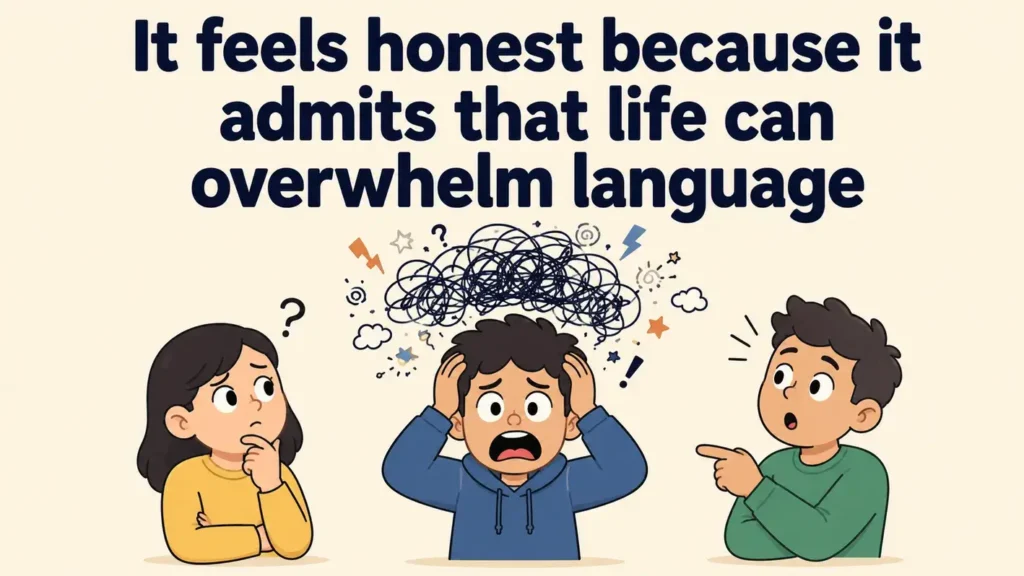
- It feels honest because it admits that life can overwhelm language
- The intensity of bombaclat mirrors the intensity of everyday Jamaican expression
- You sense authenticity when bombaclat comes without rehearsal or filter
- It feels real because it is tied to lived experience not classroom learning
- Bombaclat resonates like music that hits your chest before your mind
- The word survives because people need language that matches big feelings
- It feels intense because it refuses to shrink to make others comfortable
- You remember bombaclat because your nervous system registers its charge
- Honesty makes bombaclat magnetic even when you do not fully understand it
- It teaches that powerful speech can be both beautiful and boundary setting
- Intensity without cruelty is why bombaclat stays compelling and human
Pro Insight Let intensity teach you about emotional honesty rather than pushing you to copy the volume.
How To Talk About It With Friends Without Causing Harm
You will want to talk about it. Friends will ask what you learned. How you share matters as much as what you share. [internal link to respectful language learning tips]
- Start by saying bombaclat is culturally loaded and deserves thoughtful respect
- Explain that you are still learning and may not have perfect understanding
- Share what Jamaicans taught you rather than what internet told you
- Avoid using bombaclat as punchline when retelling stories to friends
- You can describe feeling of bombaclat without repeating it excessively
- Encourage friends to listen to Jamaican voices instead of just your summary
- If friends want to use bombaclat remind them that context matters deeply
- Do not pressure Jamaican friends to perform bombaclat for entertainment
- You protect relationships when you admit limits of your own knowledge
- Use examples that show emotion not just shock value or humor
- People listen more when you speak with care not with desire to impress
- You can love a language without needing to own every word inside it
- Sharing respectfully means correcting friends who use bombaclat carelessly
- It is okay to say I choose not to say bombaclat out of respect
- Conversations about bombaclat go better when curiosity leads not ego
- You model respect when you credit culture every time you explain
Pro Insight Teach the respect first and the vocabulary second and your friends will learn the right way.
Why Understanding It Deepens Your Connection To Culture
Understanding one word can open a whole worldview. You start hearing humor, pride, resilience, and tenderness where you once heard only noise. That shift changes how you relate to people.
- Learning bombaclat teaches you to hear Patois as full language not broken English
- You begin to appreciate how Jamaicans turn everyday speech into art
- Understanding bombaclat shows you why directness can be an act of love
- It helps you see how history lives inside modern conversation and jokes
- You connect deeper when you respect words that matter to someones identity
- Knowing bombaclat helps you enjoy dancehall reggae and everyday talk more
- It opens door to learning other Patois expressions with similar care
- You feel more confident navigating conversations without fear of offending
- Cultural connection grows when you listen to stories behind the vocabulary
- You start noticing beauty in rhythm tone and timing of Jamaican speech
- Understanding bombaclat helps you support Jamaican creators with real appreciation
- It reminds you that language is community memory spoken out loud daily
- You become a better guest in any culture when you learn this way
- Connection deepens when you ask what words mean to people not just dictionaries
- Learning bombaclat with humility shows you value people over trends
- That respect is felt and remembered long after conversation ends
Pro Insight Let one word be the doorway not the destination and keep walking into deeper cultural appreciation with an open heart.
Moving Forward With Respect Knowledge And Genuine Care
You came here curious. You leave with more than a definition. You leave with a sense of responsibility and wonder that will shape how you speak and listen from now on.
- Carry what you learned about bombaclat with quiet confidence and humility
- Remember that respect matters more than sounding fluent or funny
- You can appreciate bombaclat without needing to use it in every sentence
- Keep following Jamaican teachers who share language with generosity and pride
- Share what you know about bombaclat with care when others get curious
- Correct gentle misinformation when you hear bombaclat misused or mocked
- Let your learning about bombaclat inspire learning about other cultures too
- You honor language when you keep listening even after you feel knowledgeable
- Practice empathy every time you encounter unfamiliar powerful expressions
- Remember that words like bombaclat carry both beauty and boundary at once
- You grow when you let language challenge your comfort and expand perspective
- Keep notes of stories examples and lessons that helped you understand
- Revisit your understanding as you hear bombaclat in new real contexts
- Celebrate Jamaican culture beyond single words by supporting music food art
- Move forward knowing that respectful curiosity always leaves people feeling valued
- Your journey with bombaclat can model how to love language without exploiting it
Pro Insight Make respect your habit not your performance and every culture you encounter will feel safer sharing with you.
Related article: Rock Puns That Will Leave You Rolling With Laughter
Conclusion:
I know why you searched. You wanted clarity without feeling judged for not knowing. You wanted to get it right because you care how you show up around people and culture. That care already sets you apart.
Language is never just letters. It is laughter in kitchens, warnings in traffic, joy exploding after a goal, relief after a near miss. When you understand that, you stop collecting words and start connecting with humans.
You do not need to master everything today. Keep listening. Keep asking with humility. Keep crediting the people who lived this language long before it reached your feed. If you do that, you will be welcomed into conversations that feel richer and more honest than any meme could offer.
Thank you for learning with an open heart. That choice matters more than you know.
FAQ Section:
It often expresses shock surprise disbelief or sudden strong emotion. Think of it like an emotional release that can be funny serious or warning depending on tone and relationship.
It can be both. Among close friends with shared history it can be playful and full of humor. In formal settings or from strangers it can feel disrespectful and harsh so context is everything.
You can talk about it and learn about it with respect. Saying it casually to sound cool often feels off to native speakers. If you choose to use it, do it rarely, with clear understanding and only where it feels welcome.
Follow Jamaican creators listen to real conversations and study culture not just vocabulary. Learn greetings gratitude and everyday phrases first. Let strong words come later after you understand boundaries.
Listen to Jamaican music interviews street vlogs and family style content where Patois is spoken naturally. Pay attention to how people react, not just how the word sounds alone.